
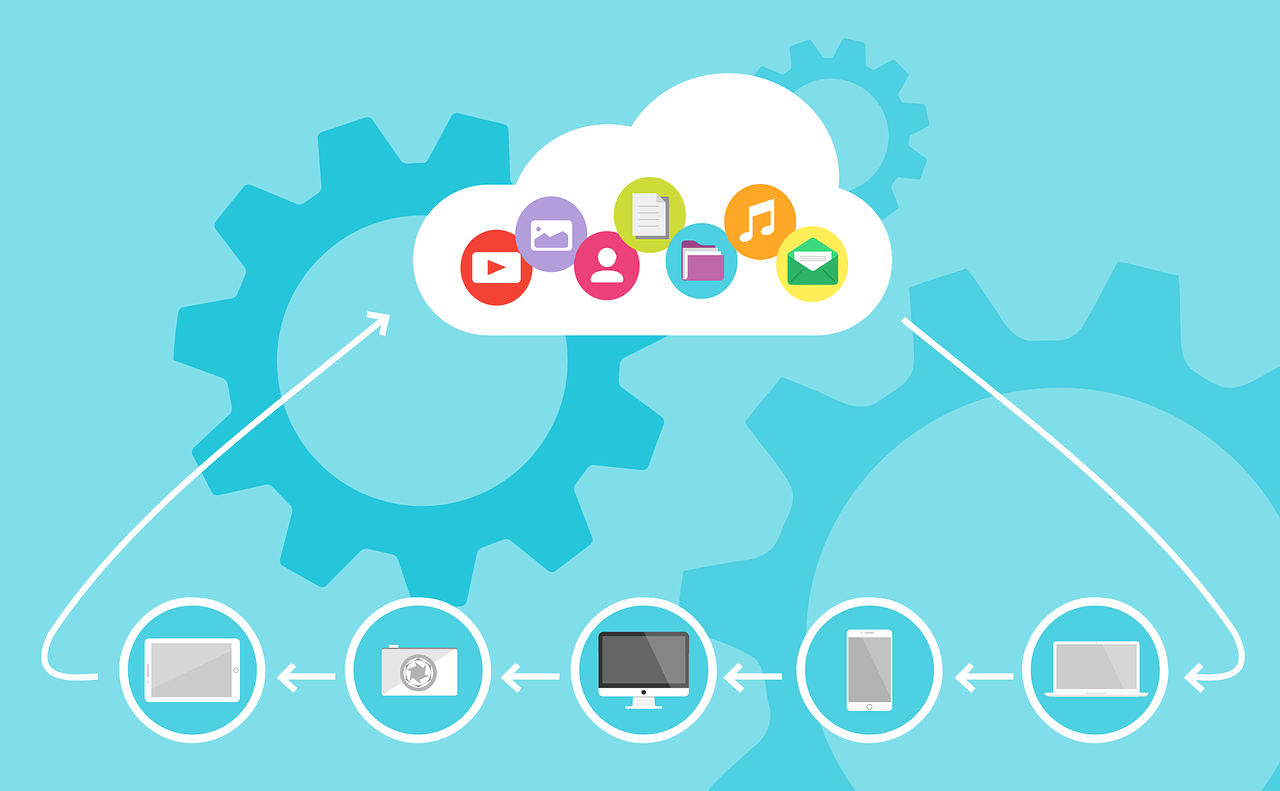
Cloud computing has redefined the way businesses develop, deploy, and manage software. In 2026, cloud-based software solutions are not just a convenience they are a strategic necessity. From enhancing collaboration to enabling scalability and reducing infrastructure costs, cloud technology continues to drive software innovation across industries.
Table of Contents
What Are Cloud-Based Software Solutions?
Cloud-based software, also known as Software as a Service (SaaS), allows users to access applications over the internet instead of installing them on local devices. This approach eliminates the need for expensive hardware, reduces maintenance efforts, and provides unparalleled flexibility. Popular cloud platforms such as Microsoft Azure, Amazon Web Services (AWS), and Google Cloud Platform offer a range of services, including data storage, virtual computing, machine learning, and application hosting.
By leveraging the cloud, organizations can scale their software infrastructure instantly to accommodate growth, implement updates seamlessly, and enable global access for employees and customers alike.
Key Benefits of Cloud-Based Software
Cost Efficiency: One of the most significant advantages of cloud software is cost savings. Businesses no longer need to invest heavily in servers, networking hardware, or IT maintenance. Cloud services operate on subscription-based or pay-as-you-go models, allowing companies to align costs with actual usage.
Accessibility and Collaboration: Cloud software fosters collaboration by allowing teams to work together in real-time from any location. Tools like Slack and Google Workspace leverage cloud infrastructure to facilitate communication, document sharing, and project management without geographical limitations.
Scalability and Flexibility: Unlike traditional on-premise software, cloud solutions can scale up or down based on demand. This flexibility is especially valuable for startups, growing businesses, and enterprises with fluctuating workloads.
Automatic Updates and Maintenance: Cloud providers manage software updates and infrastructure maintenance, ensuring applications are always running with the latest features and security patches. This reduces the operational burden on in-house IT teams and ensures continuous performance optimization.
Innovative Applications in the Cloud
Cloud computing is driving innovation across multiple sectors:
Healthcare: Cloud-based electronic health record (EHR) systems like Epic Systems enable hospitals and clinics to manage patient data securely, streamline workflows, and enhance patient care with AI analytics.
Finance: Banks and fintech companies use cloud platforms to deploy real-time fraud detection, digital banking solutions, and compliance tracking, improving operational efficiency and security.
Education: Schools and universities are leveraging cloud-based learning management systems, virtual classrooms, and collaboration tools to facilitate remote and hybrid learning experiences.
Retail and E-Commerce: Cloud infrastructure supports inventory management, customer analytics, and scalable online storefronts, helping businesses adapt to changing consumer demands.
Cloud Software and Emerging Technologies
Cloud computing is increasingly integrating with AI, IoT, and edge computing to unlock new software possibilities. AI-powered cloud platforms can process massive datasets, provide predictive analytics, and deliver intelligent automation. IoT devices generate real-time data that cloud software analyzes to optimize operations, whether in manufacturing, logistics, or smart cities.
For example, AWS IoT enables businesses to connect, monitor, and manage IoT devices securely, while leveraging cloud-based AI services for predictive maintenance and operational efficiency.
Challenges and Considerations
Despite its numerous benefits, cloud-based software comes with certain challenges:
Data Security and Privacy: Organizations must ensure that sensitive data is protected. Compliance with regulations such as GDPR or CCPA is critical. Businesses should implement encryption, access controls, and monitoring systems to secure cloud environments.
Vendor Lock-In: Migrating applications between cloud providers can be complex. Companies should evaluate portability and interoperability when choosing a provider.
Internet Dependence: Cloud solutions require reliable internet connectivity. Downtime or limited access can impact productivity and user experience.
The Future Outlook of Cloud Software
The future of cloud-based software is promising and transformative. Analysts predict that by 2030, over 90% of enterprises will rely on cloud infrastructure for critical applications. Innovations in hybrid cloud, multi-cloud strategies, and AI-driven cloud analytics are expected to further enhance performance, reduce costs, and enable more intelligent software solutions.
Cloud technology is no longer just a hosting solution, it is the backbone of modern software innovation. Businesses adopting cloud-based software today gain flexibility, agility, and competitive advantage, while positioning themselves for future growth in an increasingly digital world.
In conclusion, cloud-based software solutions are revolutionizing the way organizations operate and innovate. By enabling scalability, improving collaboration, and integrating emerging technologies, the cloud is shaping the next generation of software applications. For businesses and developers, embracing cloud computing is not optional, it is essential for staying ahead in a rapidly evolving tech landscape.
Also Check Low-Code and No-Code Platforms – Building Super Apps – 2026
1 thought on “The Future of Cloud-Based Software Solutions 2026”