
As data continues to drive modern applications, choosing the right Database Management System (DBMS) has become a critical skill for developers, data engineers, and software architects. In 2026, businesses rely on a mix of relational, NoSQL, and cloud-based databases to manage everything from user data to real-time analytics. Learning the most relevant DBMS platforms can significantly boost your career and help you build scalable, high-performance applications.
This guide explores the top DBMS technologies to learn in 2026, their strengths, and where they are best used.
Table of Contents
What Is a Database Management System (DBMS)?
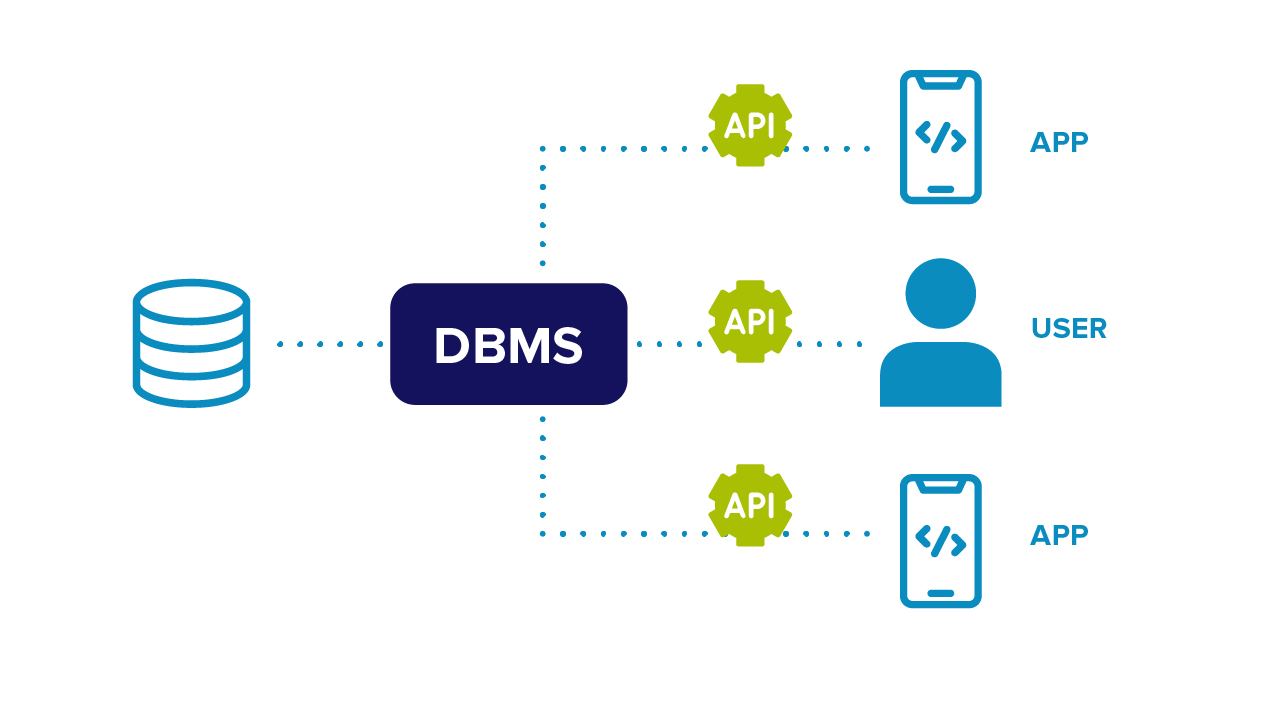
A DBMS is software that allows users to store, retrieve, manage, and manipulate data efficiently. It acts as an interface between applications and the database, ensuring data consistency, security, and performance.
Popular DBMS platforms support features like:
- Data indexing
- Backup and recovery
- Access control
- Query optimization
- Transaction management
Understanding how DBMS tools work is essential for backend development and data-driven systems.
Why Learning the Right DBMS Matters in 2026
The tech industry is shifting toward cloud-native, highly scalable, and real-time applications. Employers now look for professionals who can work with multiple database systems rather than relying on a single technology.
Learning modern Database Management System platforms helps you:
- Build scalable applications
- Improve system performance
- Handle large datasets efficiently
- Design secure data architectures
Let’s explore the most important Database Management System options you should focus on.
MySQL – The Most Popular Relational DBMS
MySQL remains one of the most widely used relational database systems in the world. It is known for its simplicity, speed, and strong community support.
It is commonly used in:
- Web applications
- Content management systems
- E-commerce platforms
MySQL integrates seamlessly with popular backend technologies and frameworks. Beginners often start with MySQL because of its straightforward setup and extensive documentation available on the official MySQL platform.
PostgreSQL – Advanced and Enterprise-Ready
PostgreSQL is a powerful open-source relational Database Management System known for its advanced features and strict compliance with SQL standards. It supports complex queries, custom data types, and high-performance indexing.
PostgreSQL is ideal for:
- Enterprise-level applications
- Financial systems
- Data analytics platforms
Many developers prefer PostgreSQL due to its reliability and extensibility, as highlighted by the PostgreSQL community.
MongoDB – Leading NoSQL Database
MongoDB is a document-based NoSQL database designed for flexibility and scalability. Instead of tables, it stores data in JSON-like documents, making it easier to work with dynamic and unstructured data.
MongoDB is widely used in:
- Real-time applications
- IoT systems
- Content-driven platforms
Its horizontal scaling capabilities make it ideal for modern cloud applications, as explained on the MongoDB official site.
Firebase Firestore – Cloud-Native and Real-Time
Firebase Firestore is a cloud-based NoSQL database developed by Google. It offers real-time data synchronization, offline support, and seamless integration with mobile and web apps.
Firestore is especially popular for:
- Mobile app development
- Real-time chat applications
- Rapid MVP development
Developers working with Flutter and React Native often choose Firestore due to its ease of use and tight integration with Firebase services.
Oracle Database – Enterprise Powerhouse
Oracle Database is a premium relational Database Management System used by large enterprises worldwide. It is known for its advanced security, performance optimization, and scalability features.
Oracle Database is commonly used in:
- Banking systems
- Large-scale ERP solutions
- Mission-critical applications
Although it has a steeper learning curve, Oracle remains a valuable skill for enterprise-focused developers, as detailed on Oracle’s database solutions.
Microsoft SQL Server – Strong Windows Ecosystem Integration
Microsoft SQL Server is a robust relational DBMS that integrates deeply with the Microsoft ecosystem. It is widely used in enterprise environments and supports advanced analytics and reporting features.
It works best for:
- Business intelligence solutions
- Enterprise web applications
- Windows-based infrastructures
SQL Server continues to evolve through cloud offerings like Azure SQL Database.
Which Database Management System Should You Learn First?
If you are a beginner, start with:
- MySQL or PostgreSQL for relational database fundamentals
- MongoDB or Firestore for NoSQL and cloud-based systems
Learning both SQL and NoSQL databases gives you a competitive edge and helps you understand real-world system design.
Future Trends in Database Technologies
In 2026, databases are moving toward:
- Cloud-managed services
- Serverless architectures
- AI-driven query optimization
- Multi-model databases
Platforms like Amazon RDS and cloud-native solutions discussed on AWS database services are shaping the future of data management.
Conclusion
Database Management Systems remain at the core of modern software development. Whether you are building a simple website or a large-scale enterprise application, choosing the right DBMS directly impacts performance, scalability, and security.
By learning MySQL, PostgreSQL, MongoDB, Firestore, Oracle, and SQL Server, you equip yourself with the skills required to handle diverse data challenges in 2026 and beyond. Mastering these DBMS platforms not only strengthens your technical foundation but also opens doors to high-demand roles in backend development and data engineering.
Also Check Relational Databases – How SQL Databases Work – 2026
1 thought on “Best Database Management Systems (DBMS) to Learn – 2026”