
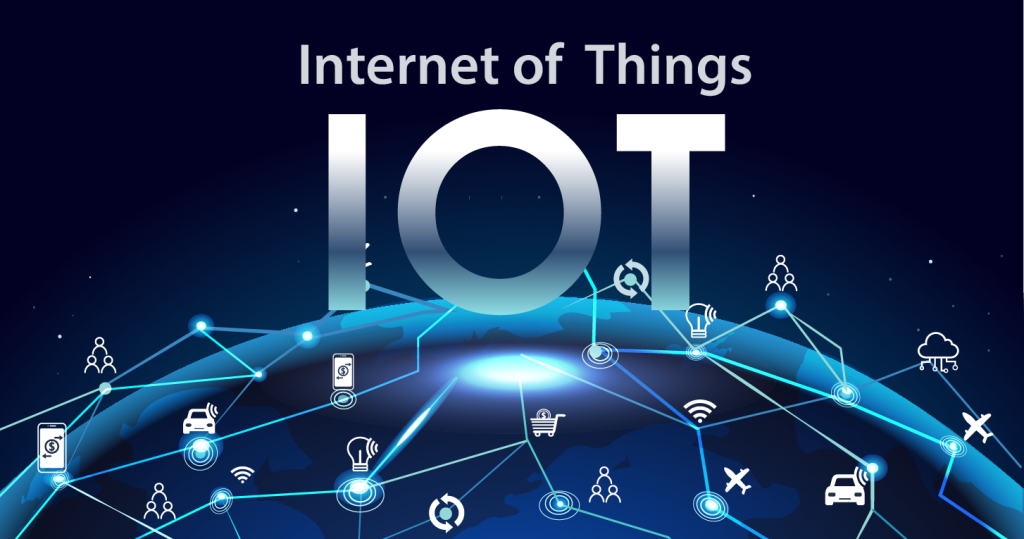
The Internet of Things (IoT) is one of the most transformative technologies of the modern digital era. It connects everyday physical objects to the internet, enabling them to collect, share, and act on data without constant human intervention. From smart homes and wearable devices to industrial automation and smart cities, IoT is reshaping how we interact with technology and the physical world.
For beginners, IoT may sound complex, but at its core, it’s about making devices smarter and more connected.
Table of Contents
What Is the Internet of Things (IoT)?
The Internet of Things refers to a network of physical devices embedded with sensors, software, and connectivity that allow them to communicate over the internet. These devices can collect data from their environment, send it to cloud platforms, and receive instructions in return.
Examples of IoT devices include:
- Smart thermostats
- Fitness trackers
- Smart refrigerators
- Traffic monitoring systems
- Industrial machines
According to insights shared by IBM’s IoT solutions, IoT bridges the gap between the physical and digital worlds by enabling data-driven automation.
How Does IoT Work?
IoT systems follow a simple but powerful workflow that enables seamless automation.
Sensors and Devices
Sensors collect real-world data such as temperature, motion, humidity, light, or heart rate. These sensors are embedded in devices ranging from small wearables to large industrial machines.
Connectivity
Collected data is transmitted to the internet using technologies like Wi-Fi, Bluetooth, cellular networks, or low-power protocols. Cloud platforms such as those offered by Amazon Web Services IoT manage this data securely.
Data Processing
Once data reaches the cloud, it is analyzed using software, analytics tools, or artificial intelligence to extract meaningful insights.
Action and Automation
Based on processed data, systems trigger actions such as sending alerts, adjusting device behavior, or automating tasks without manual input.
Key Components of an IoT System
Understanding IoT becomes easier when broken down into its core components.
IoT Devices
These are the physical objects equipped with sensors and microcontrollers.
IoT Gateways
Gateways act as intermediaries between devices and the cloud, ensuring secure and efficient data transmission.
Cloud Platforms
Cloud services store, analyze, and manage IoT data at scale. Platforms like Google Cloud IoT enable real-time monitoring and analytics.
User Interfaces
Dashboards and mobile apps allow users to interact with IoT systems and view insights.
Real-World Applications of IoT
IoT is already making a significant impact across multiple industries.
Smart Homes
Smart lighting, security systems, and voice assistants improve convenience, energy efficiency, and safety.
Healthcare
Wearable devices monitor patient health, track vital signs, and enable remote diagnostics. IoT-powered healthcare solutions are highlighted by World Health Organization digital health initiatives.
Agriculture
Smart irrigation, soil sensors, and livestock tracking help farmers increase productivity and reduce waste.
Smart Cities
IoT enables traffic management, waste monitoring, and energy optimization to improve urban living.
Industrial IoT (IIoT)
Manufacturing industries use IoT to monitor machines, predict maintenance, and improve operational efficiency.
Benefits of the Internet of Things
IoT offers numerous advantages for individuals and organizations.
- Increased automation
- Real-time data insights
- Improved efficiency and productivity
- Cost reduction
- Enhanced user experiences
Businesses leveraging IoT solutions gain a competitive edge through smarter decision-making.
Challenges and Limitations of IoT
Despite its benefits, IoT comes with challenges that must be addressed.
Security Risks
Connected devices can be vulnerable to cyberattacks if not properly secured. Industry best practices promoted by OWASP IoT security guidelines emphasize secure authentication and encryption.
Privacy Concerns
IoT devices collect large volumes of personal data, raising privacy issues.
Scalability
Managing millions of connected devices requires robust infrastructure and planning.
Interoperability
Different devices and platforms may not always work seamlessly together.
IoT and Emerging Technologies
IoT is increasingly combined with other advanced technologies.
- Artificial Intelligence enables smart decision-making
- Edge Computing reduces latency by processing data closer to devices
- 5G networks improve speed and reliability
These integrations are shaping the future of connected systems.
Future of the Internet of Things
The future of IoT looks promising as adoption continues to grow worldwide. Experts predict billions of connected devices in the coming years, powering smarter homes, cities, and industries.
Career opportunities in IoT include:
- IoT Developer
- Embedded Systems Engineer
- Data Analyst
- Cloud Architect
Learning IoT today opens doors to some of the most in-demand tech roles.
Conclusion
The Internet of Things is revolutionizing how devices interact with the world around us. By connecting physical objects to digital systems, IoT enables automation, efficiency, and intelligent decision-making across industries.
For beginners, understanding IoT fundamentals is the first step toward exploring a future filled with smart technologies. As IoT continues to evolve, its impact on everyday life and global innovation will only grow stronger.
Also Check Best Practices for Database Security and Data Protection 2026
1 thought on “What Is Internet of Things (IoT) – Powerful Guide – 2026”