
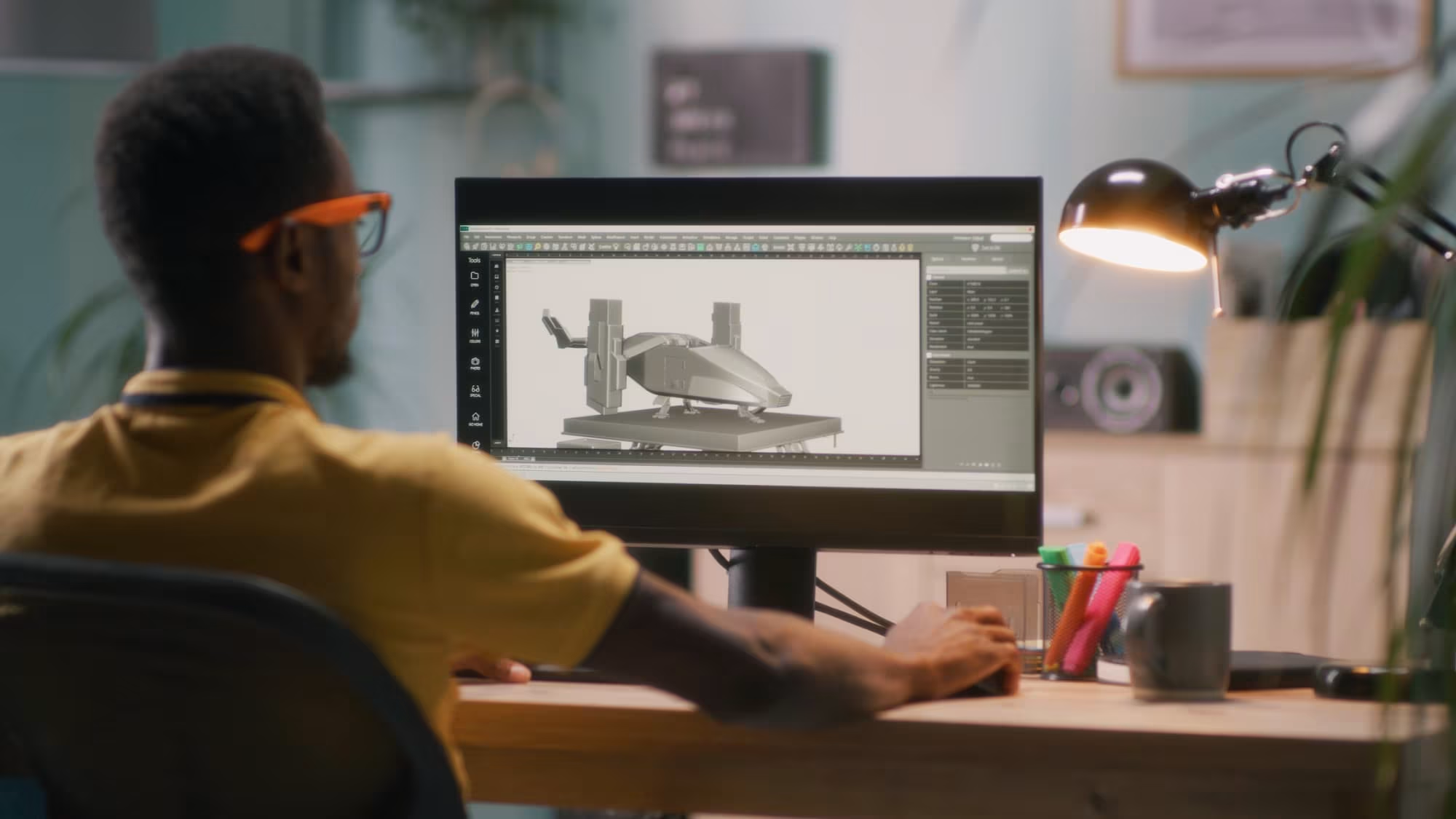
The world of gaming is vast and multifaceted, and understanding the distinction between game development and game design is essential for anyone looking to enter the industry. While these roles often overlap, they require unique skills, mindsets, and responsibilities.
In 2026, the gaming industry continues to grow rapidly, making clarity in these roles crucial for creating immersive, engaging, and technically sound games.
Table of Contents
What is Game Development?
Game development refers to the technical creation of a game, including coding, software engineering, and implementation of mechanics. Game developers use programming languages and game engines to bring the designer’s vision to life. They are responsible for building playable versions of the game, debugging, optimizing performance, and ensuring the game runs smoothly across platforms.
Popular tools for game development include Unity, Unreal Engine, Godot, and CryEngine. Developers may also work with C++, C#, Python, and Lua to implement gameplay mechanics, artificial intelligence, physics simulations, and user interfaces.
What is Game Design?
Game design focuses on the conceptual and creative aspects of a game. Designers craft the story, mechanics, rules, levels, and overall user experience. They determine how players interact with the game, what challenges they face, and how the narrative unfolds.
Key tools for game designers include Tiled Map Editor for level design, Adobe Photoshop and Blender for assets, and Twine for interactive storytelling. A strong understanding of psychology, storytelling, and player engagement is critical for successful game design.
Core Differences Between Game Development and Game Design
| Aspect | Game Development | Game Design |
|---|---|---|
| Focus | Technical implementation | Creative vision and mechanics |
| Skills | Programming, debugging, optimization | Storytelling, mechanics, UX |
| Tools | Unity, Unreal Engine, C++, C# | Photoshop, Blender, Tiled, Twine |
| Goal | Make the game function correctly | Make the game enjoyable and engaging |
| Output | Playable game build | Game concept, levels, mechanics |
While designers create the blueprint, developers construct the framework that makes the game playable. Collaboration between these roles is essential for a successful game.
Overlap Between Development and Design
Despite the differences, the two disciplines often intersect. Developers may contribute to level design, mechanics, or visual effects, while designers may provide feedback on technical feasibility. Understanding both perspectives improves communication, reduces bottlenecks, and ensures a cohesive gaming experience.
For example, in creating a platformer game, a designer might specify how a character jumps and navigates obstacles, while a developer writes the code that governs movement, collision detection, and physics. Both roles must communicate continuously to balance fun gameplay with technical limitations.
Skills Needed for Each Role
Game Developers:
- Proficiency in programming languages like C++, C#, and Python.
- Knowledge of game engines such as Unity and Unreal Engine.
- Understanding of physics, AI, and graphics programming.
- Debugging, optimization, and performance tuning skills.
Game Designers:
- Strong creative and storytelling abilities.
- Knowledge of player psychology and engagement strategies.
- Experience with level design, UI/UX, and interactive storytelling.
- Familiarity with prototyping and asset creation tools.
Career Paths and Opportunities
Game development and design offer diverse career paths:
- Game Developer Roles: Software Engineer, Gameplay Programmer, AI Developer, Graphics Programmer.
- Game Designer Roles: Level Designer, Narrative Designer, Systems Designer, UX Designer.
Both roles are essential in studios ranging from indie developers to AAA game companies like Electronic Arts, Ubisoft, and Epic Games. Freelancing, indie game development, and remote opportunities have also expanded, providing flexibility and creative freedom.
Why Understanding the Difference Matters
Knowing the distinction between game development and game design helps aspiring developers choose the right path based on their strengths and interests. Developers who understand design can better implement creative ideas, and designers who understand development can create more feasible and enjoyable games. This mutual understanding enhances teamwork, reduces project delays, and improves the overall quality of the game.
Conclusion
Game development and game design are two sides of the same coin. Development focuses on the technical execution, while design emphasizes the creative vision. Both roles require specialized skills, tools, and knowledge, yet collaboration is key to producing successful games.
By understanding the differences and intersections, aspiring game professionals can make informed career choices, work effectively in teams, and contribute to the creation of engaging, immersive gaming experiences.
In 2026, with the gaming industry growing faster than ever, mastering either development or design or gaining knowledge in both provides a competitive advantage and the ability to create innovative, high-quality games.
Also Check Version Control with Git – A Beginner’s Powerful Guide 2026
1 thought on “Game Development vs Game Design – Powerful Key Differences 2026”