
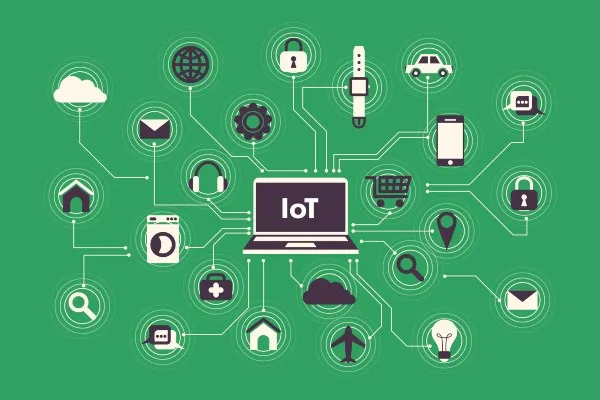
The power of the Internet of Things (IoT) lies in its ability to collect real-world data, transmit it over networks, and turn it into meaningful actions. While IoT may appear complex from the outside, its working mechanism is built on three fundamental pillars: sensors, connectivity, and data processing. Understanding how these components interact is essential for anyone looking to build or work with IoT systems.
This guide explains how IoT devices work from the ground up, using simple language and real-world context.
Table of Contents
Core Architecture of an IoT System
An IoT system follows a layered architecture that allows devices to communicate efficiently and securely.
The basic layers include:
- Device and sensor layer
- Connectivity layer
- Data processing layer
- Application layer
Each layer plays a vital role in ensuring smooth operation.
Sensors: The Data Collectors
Sensors are the foundation of every IoT device. They collect data from the physical environment and convert it into digital signals.
Types of IoT Device Sensors
Common sensors used in IoT include:
- Temperature sensors
- Humidity sensors
- Motion sensors
- Light sensors
- Pressure sensors
- Biometric sensors
For example, smart thermostats rely on temperature sensors to regulate heating and cooling automatically. Detailed explanations of sensor technologies can be found through Texas Instruments sensor solutions.
Role of Actuators
Actuators work alongside sensors by performing actions based on processed data. Motors, relays, and valves are examples of actuators that allow IoT systems to interact with the physical world.
Connectivity: How IoT Devices Communicate
Once data is collected, it must be transmitted to other devices or cloud platforms.
Communication Protocols
IoT devices use various communication protocols depending on range, power consumption, and data size.
Popular protocols include:
- Wi-Fi
- Bluetooth Low Energy (BLE)
- Zigbee
- LoRaWAN
- Cellular networks
Low-power protocols are especially important for battery-operated devices. Insights from Cisco IoT networking highlight how connectivity choices impact scalability.
IoT Gateways
Gateways act as a bridge between devices and cloud platforms. They aggregate data, perform basic processing, and ensure secure communication.
Data Processing: Turning Data into Intelligence
Raw data alone has little value. Data processing transforms sensor data into actionable insights.
Cloud-Based Processing
Most IoT systems send data to cloud platforms for processing and storage. Cloud services offer scalability, analytics, and integration with AI tools. Platforms like AWS IoT Core enable real-time data ingestion and processing.
Edge Computing
Edge computing processes data closer to the source, reducing latency and bandwidth usage. This is especially useful in applications like autonomous vehicles and industrial automation.
Application Layer: User Interaction
The application layer allows users to interact with IoT systems through dashboards, mobile apps, or web interfaces.
Users can:
- Monitor device status
- View analytics and alerts
- Control devices remotely
- Configure automation rules
User-friendly interfaces are essential for successful IoT adoption.
Security in IoT Data Flow
Security is critical at every stage of IoT operation.
Best practices include:
- Device authentication
- Encrypted data transmission
- Secure firmware updates
- Access control policies
Organizations often follow security recommendations from NIST IoT guidelines to protect connected systems.
Real-World Example of IoT Workflow
Consider a smart agriculture system:
- Soil sensors measure moisture levels
- Data is sent via low-power networks
- Cloud analytics determine irrigation needs
- Actuators activate watering systems automatically
This workflow improves efficiency while conserving resources.
Challenges in IoT Systems
Despite their benefits, IoT systems face challenges such as:
- Network reliability
- Data overload
- Device interoperability
- Security vulnerabilities
Addressing these challenges requires thoughtful system design.
Future Evolution of IoT Architecture
IoT is rapidly evolving with advancements in:
- Artificial Intelligence
- 5G connectivity
- Edge computing
- Digital twins
These technologies will make IoT systems faster, smarter, and more autonomous.
Conclusion
IoT devices work by seamlessly combining sensors, connectivity, and data processing into a unified system. Sensors collect data, networks transmit it, and processing platforms turn it into actionable intelligence. This simple yet powerful flow is what enables smart homes, healthcare monitoring, industrial automation, and smart cities.
By understanding how IoT devices work internally, beginners gain a strong foundation for building innovative solutions in the connected world. As IoT continues to evolve, mastering its architecture opens doors to exciting career opportunities and real-world impact.
Also Check What Is Internet of Things (IoT) – Powerful Guide – 2026
1 thought on “How IoT Devices Work – Sensors and Connectivity – 2026”