
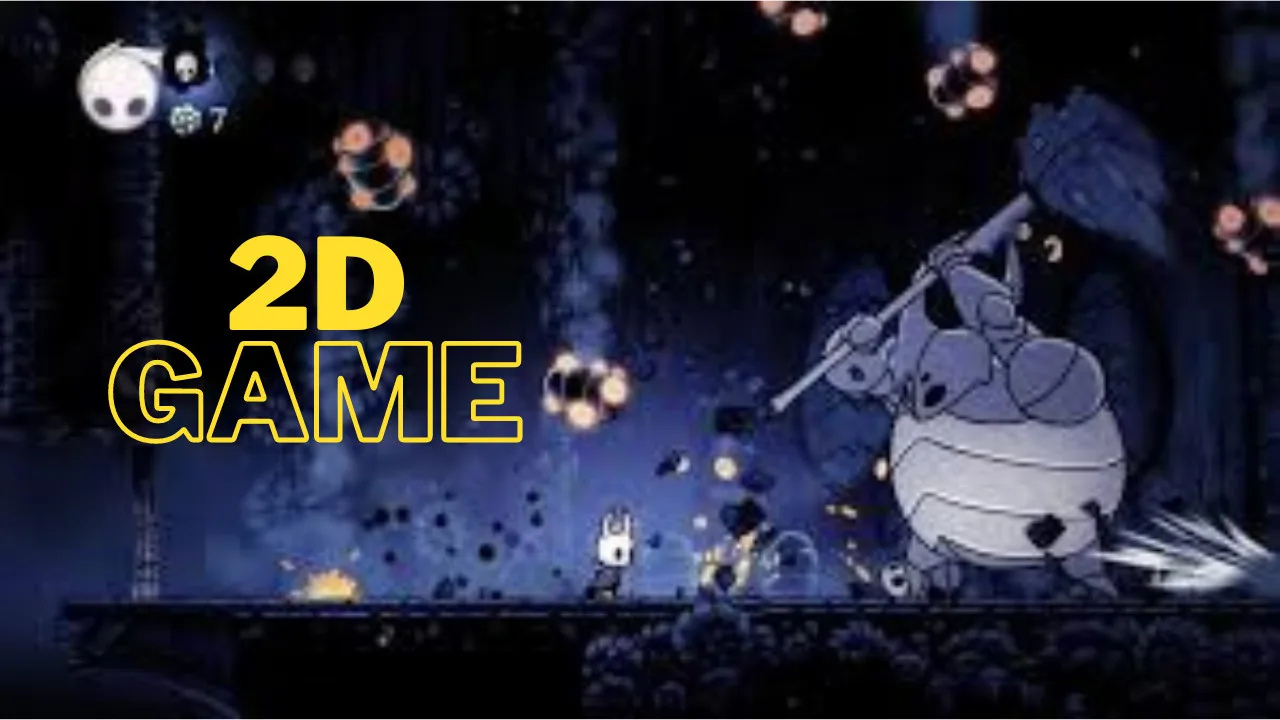
Creating your first 2D game can be an exciting and rewarding experience for aspiring developers. With the right tools, guidance, and a structured approach, even beginners can bring their ideas to life. In 2026, numerous accessible game engines and resources make 2D game development easier than ever, allowing you to focus on creativity, mechanics, and user engagement.
Table of Contents
Step 1: Define Your Game Concept
Before jumping into coding or design, clearly define the concept of your game. Ask yourself:
- What type of game will it be? (Platformer, puzzle, shooter, or adventure)
- Who is your target audience?
- What is the core gameplay loop?
- What is the visual style and theme?
Having a well-thought-out concept ensures that you remain focused during development and helps prevent scope creep. Tools like Trello or Notion can help you organize your ideas and create a development roadmap.
Step 2: Choose the Right Game Engine
For beginners, selecting a beginner-friendly and well-documented game engine is crucial. Popular 2D game engines include:
- Unity: Versatile for both 2D and 3D games; uses C# for scripting.
- Godot: Lightweight, open-source engine; supports GDScript, C#, and C++.
- GameMaker Studio 2: Focuses on 2D games with a drag-and-drop interface and its own scripting language, GML.
- Construct 3: Browser-based engine with no coding required; uses visual scripting.
Choose an engine based on your comfort with coding, platform targets, and desired features.
Step 3: Plan Your Game’s Mechanics
Game mechanics define how players interact with your game. Core mechanics for a 2D game might include:
- Character movement and controls (walking, jumping, or attacking)
- Collision detection with obstacles or enemies
- Collectibles, power-ups, or score systems
- Level progression and challenges
Document your mechanics clearly before implementing them. This serves as a blueprint during development and ensures consistent gameplay.
Step 4: Create or Import Game Assets
2D games rely heavily on visual and audio assets, including:
- Sprites: Characters, enemies, platforms, and objects
- Backgrounds: Static or parallax-scrolling environments
- Audio: Background music, sound effects, and voiceovers
You can create assets using tools like Adobe Photoshop, Aseprite, or Blender for animations. Alternatively, you can source assets from marketplaces like Unity Asset Store or OpenGameArt.
Step 5: Implement Gameplay in Your Engine
Once assets are ready, it’s time to implement your mechanics in the game engine. Steps include:
- Set up the scene or level using your background and environment assets.
- Add your player character and implement movement controls using scripts or visual events.
- Implement collisions with platforms, enemies, or hazards.
- Add interactive objects, such as collectibles, checkpoints, or power-ups.
- Integrate scoring and UI elements like health bars, timers, and game menus.
Testing frequently during this stage ensures that mechanics feel responsive and gameplay is enjoyable.
Step 6: Test and Iterate
Playtesting is crucial for refining your game. Check for:
- Bugs and glitches
- Difficulty balance
- Smoothness of controls and physics
- Visual and audio coherence
Gather feedback from friends, family, or online communities. Iteration based on feedback improves the quality of your final product and enhances the player experience.
Step 7: Export and Share Your Game
Once your 2D game is polished, export it for your target platforms. Popular export options include:
- PC (Windows, macOS, Linux)
- Mobile (iOS and Android)
- Web (HTML5)
Most game engines, like Unity or Godot, provide built-in export tools. You can also share your game on platforms such as Itch.io, Game Jolt, or even Steam for wider reach.
Conclusion
Creating your first 2D game is a journey that combines creativity, logic, and problem-solving. By defining your concept, selecting the right engine, planning mechanics, implementing assets, and iterating based on feedback, you can develop a polished and enjoyable game even as a beginner. In 2026, accessible tools and resources empower aspiring developers to bring their ideas to life quickly and efficiently.
Remember, the key to success is starting small, learning iteratively, and embracing the process. Your first 2D game may not be a commercial hit, but it will lay the foundation for more advanced projects and a promising career in game development.
Also Check Top 10 Powerful Game Engines to Use in 2026
1 thought on “How to Create Your First 2D Game – Powerful Guide – 2026”