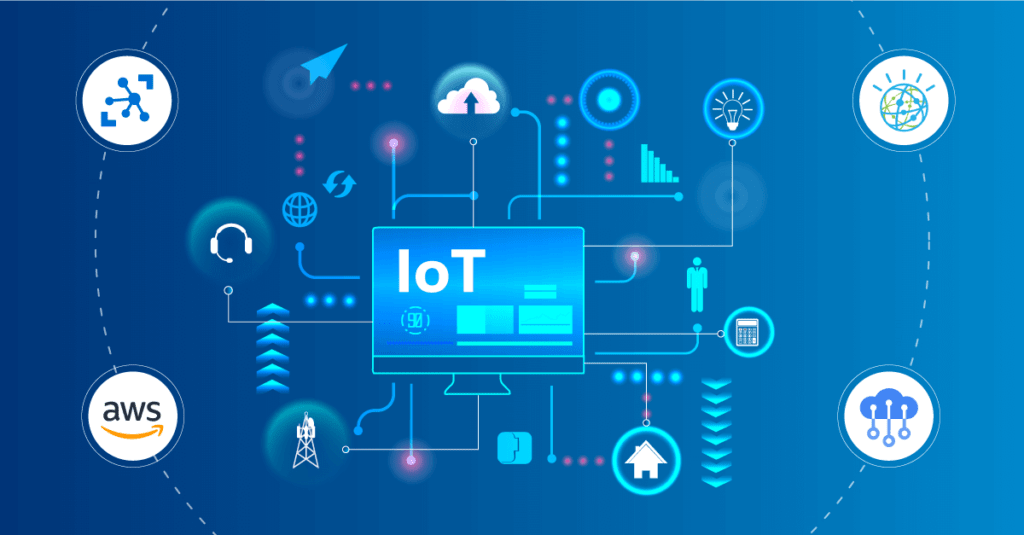
The Internet of Things (IoT) is no longer just a futuristic concept. In 2026, IoT has become a driving force behind digital transformation across multiple industries. By connecting physical devices, collecting real-time data, and enabling intelligent automation, IoT is helping businesses operate more efficiently, reduce costs, and deliver better user experiences.
From smart homes to industrial automation, IoT applications are reshaping how industries function at scale.
Table of Contents
Why IoT Applications Matter Today
IoT applications turn raw sensor data into actionable insights. This allows organizations to make data-driven decisions, improve productivity, and predict problems before they occur.
According to industry research highlighted by McKinsey Digital, companies adopting IoT technologies see significant improvements in operational efficiency and customer satisfaction.
Smart Homes and Consumer IoT
Smart homes are one of the most visible and widely adopted IoT applications.
Home Automation Systems
Smart lighting, thermostats, and security systems allow homeowners to control their environment remotely. Devices automatically adjust settings based on user behavior, improving comfort and energy efficiency.
Popular smart home ecosystems integrate with platforms discussed by Google Smart Home, making automation accessible to everyday users.
Energy Management
IoT-enabled energy meters track real-time power consumption, helping users reduce electricity costs and carbon footprints.
Healthcare and Medical IoT
Healthcare is one of the most impactful areas for IoT adoption.
Remote Patient Monitoring
Wearable devices monitor vital signs such as heart rate, blood pressure, and oxygen levels. Doctors can analyze this data remotely, reducing hospital visits and improving patient care.
Medical IoT solutions supported by World Health Organization digital health programs are transforming healthcare delivery worldwide.
Smart Medical Equipment
IoT-connected medical devices ensure accurate diagnostics and automated alerts for critical conditions.
Industrial IoT (IIoT)
Industrial IoT focuses on optimizing manufacturing and industrial operations.
Predictive Maintenance
Sensors monitor machinery performance and detect early signs of failure. This allows companies to schedule maintenance before breakdowns occur, reducing downtime and repair costs.
Manufacturing insights shared by Siemens Industrial IoT highlight the efficiency gains of IIoT.
Process Automation
IoT enables automated production lines, quality control, and real-time monitoring of industrial processes.
Smart Agriculture
Agriculture is rapidly adopting IoT to meet growing global food demands.
Precision Farming
IoT sensors monitor soil moisture, weather conditions, and crop health. Farmers use this data to optimize irrigation, fertilization, and harvesting schedules.
Organizations like Food and Agriculture Organization of the United Nations emphasize the role of IoT in sustainable farming.
Livestock Monitoring
Wearable sensors track animal health and movement, improving productivity and welfare.
Smart Cities and Urban Development
IoT plays a vital role in building smarter and more sustainable cities.
Traffic and Transportation
IoT-powered traffic systems reduce congestion by analyzing real-time traffic data and optimizing signal timings.
Waste Management
Smart bins notify authorities when they need to be emptied, improving efficiency and reducing operational costs.
Urban IoT initiatives discussed by IBM Smart Cities demonstrate how connected infrastructure enhances city living.
Retail and Supply Chain Management
Retailers use IoT to gain better visibility into inventory and customer behavior.
Smart Inventory Systems
IoT sensors track stock levels in real time, reducing overstocking and shortages.
Customer Experience Optimization
Retailers analyze foot traffic and purchasing patterns to personalize shopping experiences.
Transportation and Logistics
IoT improves logistics by enabling real-time tracking of vehicles and shipments.
Fleet Management
GPS and sensor data help companies monitor vehicle performance, fuel consumption, and driver behavior.
Logistics innovations highlighted by DHL IoT solutions showcase efficiency improvements through connected systems.
Challenges in IoT Application Adoption
Despite its benefits, IoT adoption faces challenges such as:
- Security and privacy concerns
- High implementation costs
- Data management complexity
- Interoperability issues
Overcoming these challenges requires strategic planning and robust security frameworks.
Future Outlook for IoT Applications
In 2026 and beyond, IoT applications are expected to integrate deeply with AI, edge computing, and 5G networks. This will enable faster decision-making, autonomous systems, and smarter environments.
Industries investing in IoT today are positioning themselves for long-term success in an increasingly connected world.
Conclusion
IoT applications are transforming industries by enabling real-time monitoring, automation, and data-driven insights. From healthcare and agriculture to manufacturing and smart cities, IoT is reshaping how businesses and societies operate.
As IoT continues to evolve, understanding its applications helps developers, entrepreneurs, and organizations unlock new opportunities and stay ahead in the digital age.
Also Check How IoT Devices Work – Sensors and Connectivity – 2026
1 thought on “Top IoT Applications Transforming Industries in 2026”